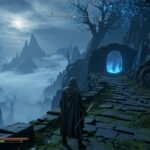
Finding Stillness in the Struggle: An Invitation to Shadow Rebellion
In the constant hum of modern life, and even within the vibrant chaos of the gaming world, we often seek experiences that match our pace—fast, loud, and immediate. But sometimes, what we truly need is a space to breathe, to observe, and to engage with a world that respects our need for quiet focus. It is in this space that we find games like Shadow Rebellion, a title that is less an assault on the senses and more a whispered invitation into a world of subtle beauty and thoughtful challenge. This isn’t a game you simply play; it’s a world you inhabit, a quiet rhythm you learn to move with.
If you feel the pull towards a more meditative, strategic experience, allow this to be your gentle guide into the twilight realms of Shadow Rebellion.
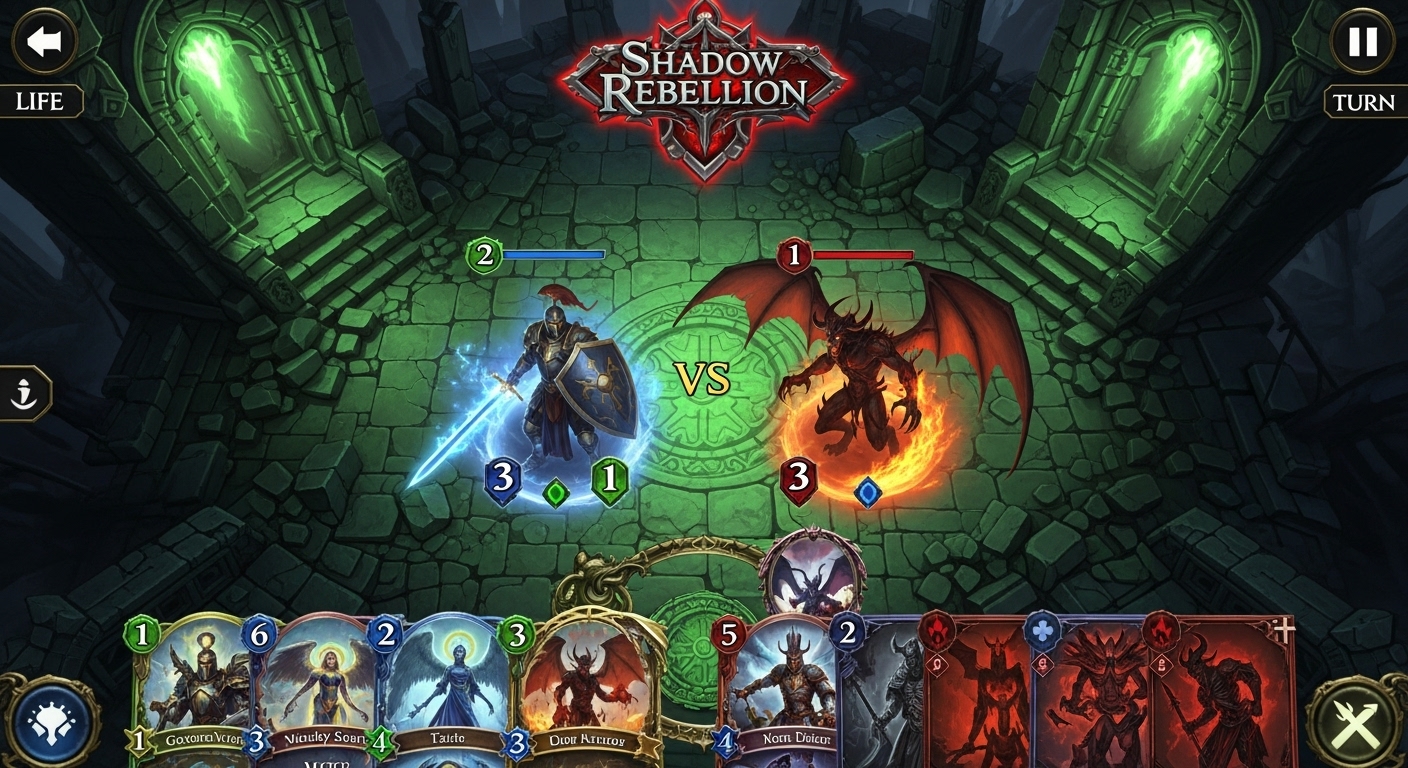
Beyond the Clamor: The Core Philosophy of Shadow Rebellion
At its heart, Shadow Rebellion is a turn-based tactical RPG. But to label it as such feels reductive. Its core philosophy is built not on explosive set pieces, but on the quiet tension of a perfectly executed plan. The game understands that true drama can be found in the silent moment before a move is made, in the weighing of risk and reward against a backdrop of fading light.
The world of Shadow Rebellion is one under the thumb of a gleaming, oppressive regime known as the Aethelgard Dominion. Their rule is not one of crude force, but of insidious order, scrubbing the world of its history, its magic, and its shadows. You are not a roaring hero, but a keeper of silence, a leader of a small band of souls who remember the old ways. Your rebellion is not fought with grand armies, but with stealth, subterfuge, and the strategic manipulation of the very shadows the Dominion seeks to erase.
This premise sets the stage for an experience that values patience over power, and intellect over impulse. It’s a game that asks you to listen to its world, to learn its patterns, and to move with intention.
The Dance of Light and Shadow: A Deeper Look at the Gameplay
The moment-to-moment gameplay of Shadow Rebellion is where its calm, deliberate nature truly shines. The game is played on grid-based maps, often during the perpetual twilight of this world’s “Gloaming” hour. The interplay of light and dark is not just an aesthetic choice; it is the fundamental mechanic upon which everything is built.
Mastering the Unseen: Stealth and Positioning
Your characters are not tanks; they are artists of the unseen. Engaging the Dominion’s sentinels head-on is often a recipe for a quick defeat. Instead, you are encouraged to use the environment. Deep shadows provide concealment, allowing your units to move unseen. You can extinguish light sources—a lone lantern, a magical brazier—to plunge areas into darkness, creating new paths and ambush opportunities.
Each character in your rebellion has a unique set of skills that interacts with this system. The “Silent Wayfarer” can create temporary patches of shadow, while the “Lore Keeper” can decipher ancient scripts to manipulate ambient light. Positioning is everything. Flanking an enemy from the darkness delivers a devastating critical strike, but stepping into a pool of light instantly reveals you, breaking your stealth and forcing a recalculation of your entire strategy. This creates a rhythmic dance of advance and retreat, of setting up the board before you make your decisive move.
The Turn as a Canvas: Thoughtful, Turn-Based Combat
When combat is inevitable, the turn-based system is a sanctuary of thoughtfulness. There is no timer pressuring you. You have all the time in the world to survey the battlefield, consider your characters’ abilities, and envision the chain of events your actions will set in motion.
The game uses an “Action Point” system that feels more like a puzzle than a brawl. Do you use all your points to have one character eliminate a key threat? Or do you distribute them to set up a complex combo between multiple rebels? Abilities synergize in beautiful, logical ways. A puddle created by one character can be electrified by another; a character can push an enemy out of the shadows and into the light, making them vulnerable to allies waiting in the darkness.
This is not a game of random chance. It is a game of cause and effect. Success comes from understanding the systems at play and orchestrating your moves with the precision of a composer leading an orchestra. The satisfaction is profound and quiet—a slow nod of approval as a plan unfolds exactly as you envisioned.
A World Painted in Twilight: The Art and Atmosphere
A Tapestry of Subtle Hues and Melancholy Melodies
The visual and auditory design of Shadow Rebellion is a masterclass in supporting its core tone. The art style leans into a painterly aesthetic, with environments rendered in soft, desaturated colors punctuated by the warm, dangerous glow of Dominion lights and the cool, safe embrace of the shadows. The world feels ancient and weary, but beautiful in its resilience.
Character designs are elegant and understated, reflecting their roles as keepers of a fading memory rather than flamboyant superheroes. The soundtrack is a collection of ambient, melancholic melodies—often little more than a lonely piano, a haunting string section, or the whisper of a breeze. It’s music that fills the space without demanding your attention, perfectly complementing the game’s reflective pace.
A Narrative Woven from Whispers
The story unfolds not through lengthy, bombastic cutscenes, but through environmental details, found journals, and quiet conversations around a campfire. You piece together the history of the world and the personal stories of your companions bit by bit. This method of storytelling makes you an active participant in the narrative. You are not being told a story; you are uncovering it. The emotional weight comes from these small, human moments—a shared memory, a fear confessed in the dark, a quiet hope for a dawn they may never see.
A Sanctuary for the Thoughtful Player
In a landscape crowded with games vying for your adrenaline, Shadow Rebellion stands apart as a sanctuary. It is a game that understands the power of quietness, the elegance of a well-laid plan, and the profound beauty of a world seen from the shadows. It does not shout its virtues; it whispers them, trusting that you are listening.
It is an experience that stays with you long after you put down the controller, not with the jarring echo of an explosion, but with the lingering calm of a puzzle finally solved, a story gently understood, and a world beautifully, quietly, saved. If you are seeking a game that offers not just escape, but respite, then the shadows are waiting.