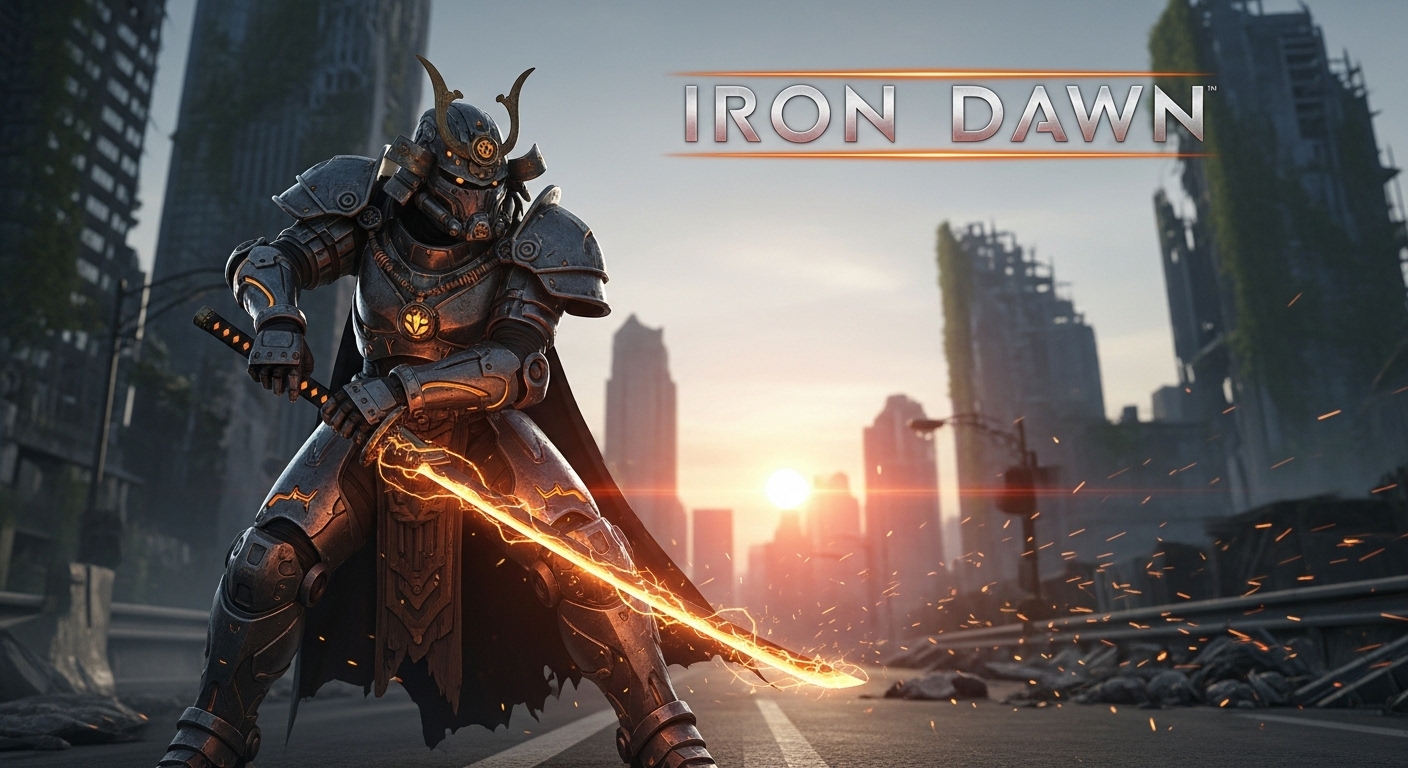
A Quiet Refuge in the Ruins: Finding Peace in Iron Dawn
In the bustling, often overwhelming landscape of modern gaming, where frenetic action and live-service demands can sometimes feel like a second job, there is a unique solace to be found in worlds that embrace a different pace. “Iron Dawn,” a post-apocalyptic survival and city-building game, presents a world in ruins, yet within its quiet, methodical gameplay lies a surprisingly serene and meditative experience. It is not a game about conquering the wasteland with fury, but about nurturing a new beginning with patience and care.
This is not just another tale of survival against monstrous mutants or ruthless raiders. Instead, Iron Dawn invites you to become a steward of memory and a architect of hope. The calm tonality it evokes is its greatest strength, offering a digital refuge where the mind can focus, plan, and simply be.
The Calm After the Storm: Setting the Tone
From the moment you begin, Iron Dawn establishes its atmosphere. The visuals are often muted, dominated by the grays of collapsed concrete, the rusty browns of forgotten steel, and the gentle, re-emerging greens of a nature slowly reclaiming the earth. The soundtrack is not a pulse-pounding orchestral score, but a subtle, ambient soundscape—the whisper of the wind through hollow buildings, the distant call of a bird, the soft crackle of your campfire.
This aesthetic choice is foundational. It immediately tells you that this is a world where the loudest battles have already been fought and lost. The new challenge is not one of explosive conflict, but of quiet resilience. The “Iron” in the title speaks not to weaponry, but to the unwavering will required to rebuild. The “Dawn” promises a new beginning, a slow and gradual lightening of the horizon after a long, dark night.
The Rhythm of Rebuilding: Gameplay as Meditation
At its core, Iron Dawn is a game of systems. You must manage your survivors’ needs—food, water, shelter, and morale. This involves a delicate dance of gathering resources, constructing buildings, and assigning tasks. On the surface, this sounds like standard fare for the genre. However, the calm magic of Iron Dawn reveals itself in the execution.
There is a profound rhythm to the gameplay. You start by carefully scouting the ruins for salvageable materials. Each piece of scrap metal, each bundle of wood, is a small victory. The act of building is not instantaneous; you watch as a shelter is slowly erected, plank by plank, a visual representation of your progress. This slow, deliberate pace discourages haste and encourages thoughtful planning. You are not reacting to immediate threats, but proactively building a future.
This process is inherently meditative. Your focus narrows to the immediate tasks: optimizing a farm’s layout, ensuring a clean water supply, researching a new technology that will make life slightly easier for your community. The constant, low-grade anxiety of potential attack is replaced by the satisfying, long-term satisfaction of seeing a functional, thriving settlement grow from nothing. It’s a digital form of gardening, where your patience and care are directly rewarded with growth and stability.
The Stories We Build: Community and Connection
A city is more than its buildings; it is the people within it. Iron Dawn understands this, weaving a narrative of community that further enhances its calm demeanor. Your survivors are not just statistics; they are individuals with names, backstories, and evolving relationships. You might witness a friendship blossom between two settlers as they work the fields, or see the community’s morale lift when you build a communal hall for them to gather in.
These micro-narratives are the soul of the game. They transform the logistical challenge of survival into an emotional investment in a community’s well-being. Protecting your people is no longer just about keeping their health bars full; it’s about preserving the small, fragile society you have nurtured. You are not a warlord commanding troops, but a guardian fostering a sense of belonging and shared purpose. This focus on connection and mutual support is a deeply calming counterpoint to the individualistic, competitive nature of many other games.
A Sanctuary for the Mind: The Psychological Benefits of a Calm Apocalypse
Why would anyone seek peace in a post-apocalyptic setting? The answer lies in the psychology of control and accomplishment. Our daily lives are often filled with complexities and uncertainties that are difficult to manage. A game like Iron Dawn offers a contained world where your actions have clear, visible, and manageable consequences.
When you build a well, your people have clean water. When you plant a field, it grows and provides food. The problems are challenging, but they are solvable with logic, patience, and effort. This provides a powerful sense of agency and competence. In a world that can often feel chaotic, the structured, predictable (though demanding) world of Iron Dawn becomes a mental sanctuary. It allows the player to engage in “deep work,” focusing their cognitive resources on a single, immersive task, which can be a genuinely restorative experience, reducing stress and mental clutter.
Embracing the Iron Dawn
Iron Dawn is a testament to the idea that a game does not need high-stakes conflict to be compelling. Its calm tonality is not a lack of excitement, but a different kind of engagement—one that is thoughtful, purposeful, and deeply rewarding. It is a game that values the quiet satisfaction of a well-laid plan over the adrenaline rush of a narrow victory.
In the quiet hours of the evening, as you watch the virtual sun set over your slowly rebuilding town, listening to the ambient sounds of a healing world, Iron Dawn offers something rare: a sense of peace. It is a reminder that after every catastrophe, there is a dawn. And sometimes, the most powerful thing you can do is to simply sit, plan, and patiently help it break.